


Desastre ecológico no Golfo do México (actualização)
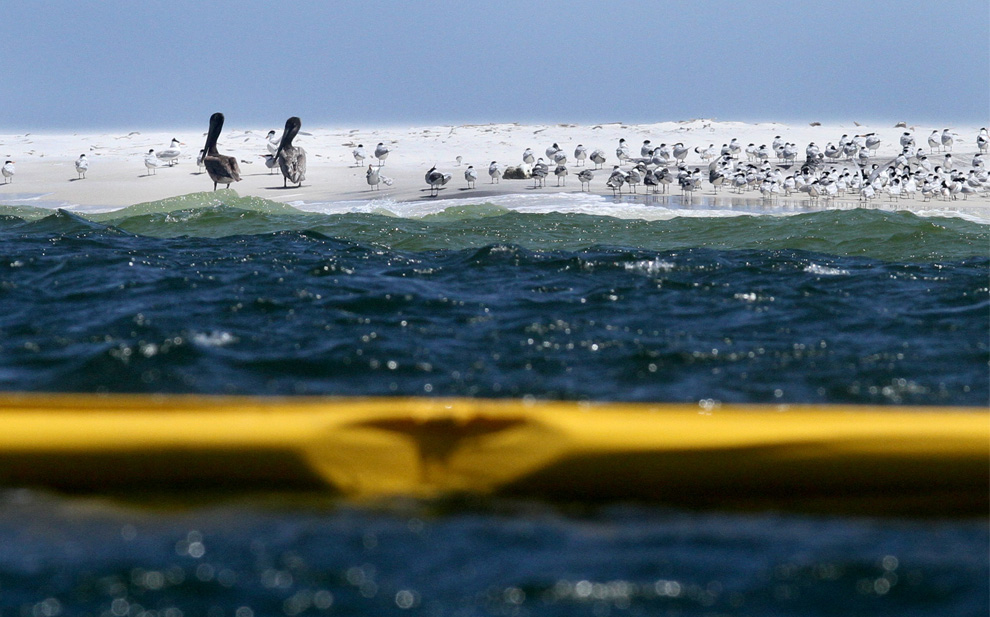

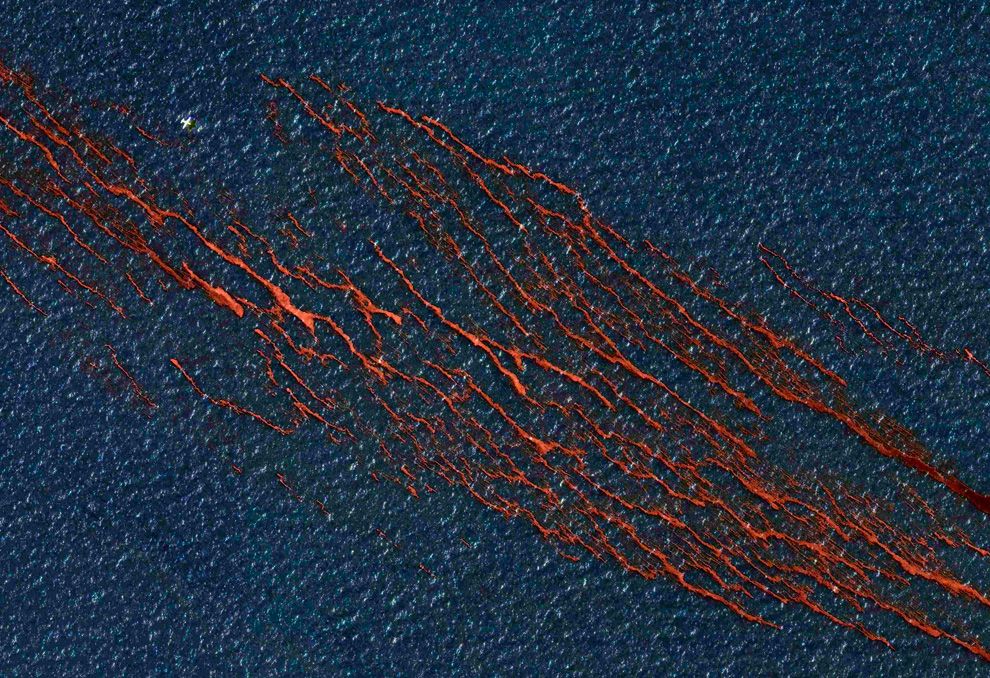
O presidente Obama anunciou que vai ao Golfo do México, dado o significado e a repercussão potencial da Maré Negra que já obrigou os estados da Louisiana, Florida e Alabama a decretarem o estado de emergência. O desastre ecológico, provocado pela explosão e afundamento da plataforma petrolífera Deepwater Horizon, explorada pela britânica BP, deixou três fugas a 1500 m de profundidade que, desde dia 20 de Abril, estão a derramar no mar o equivalente a 5 mil barris de petróleo por dia.
Nada parece ser capaz de conter a mancha que alastra em direcção à costa meridional, ameaçando as praias imaculadas da Louisiana, o delta do Mississípi, as suas áreas protegidas e refúgios de vida selvagem.
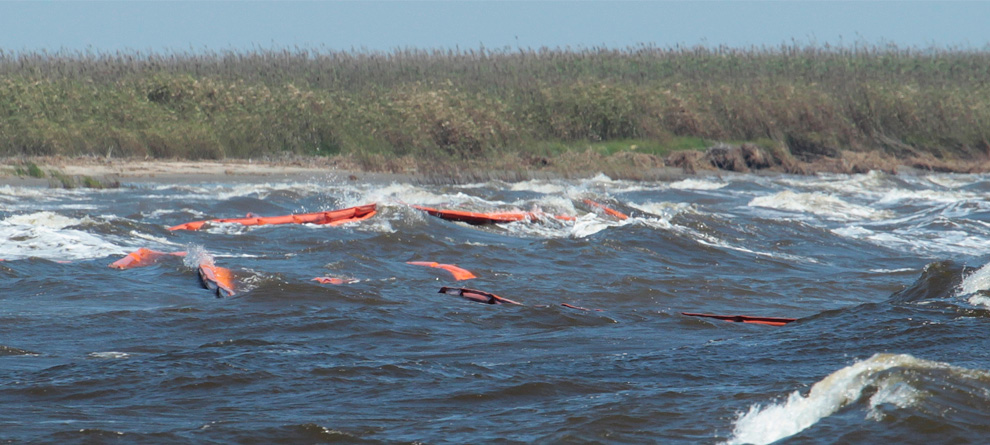
O pessoal que se dedica a combater este desastre ecológico tem estado a desdobrar quilómetros e quilómetros de barreiras insufláveis, numa esperança quase vã de combater a maré negra. Mas os ventos fortes e os mares alterosos já destruíram algumas dessas barreiras, atirando com elas para terra.

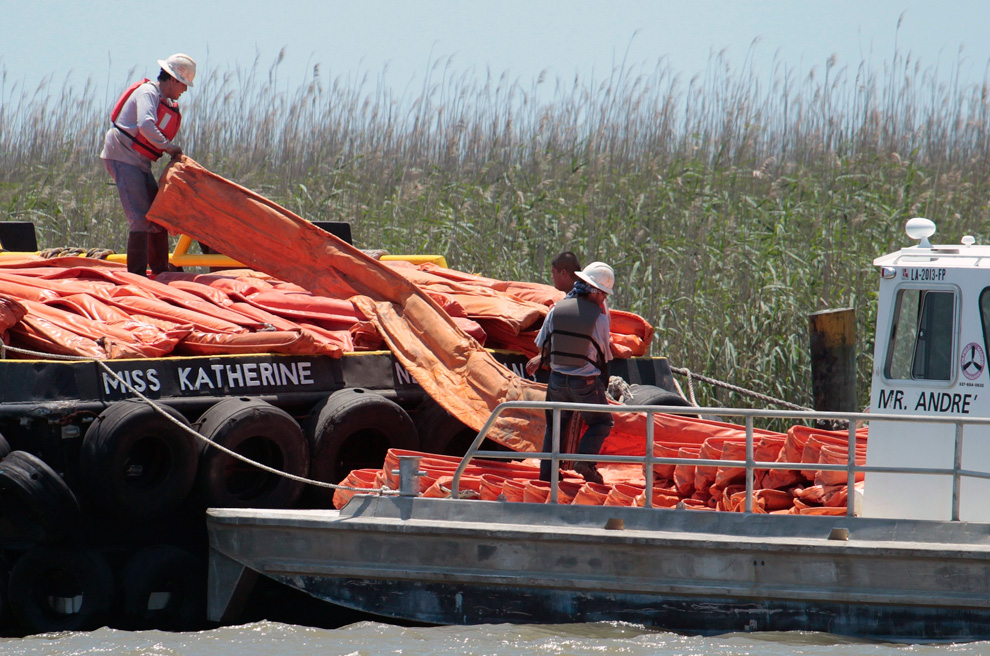
Enquanto isto, começou a anunciar-se que a empresa britânica que operava a plataforma em causa, a BP, não tinha quaisquer planos de emergência para uma situação destas, que ameaça os frágeis habitats de vida selvagem existentes no litoral.
Um relatório encomendado pela própria British Petroleum (BP) chegara à conclusão de que seria improvável qualquer incidente deste género, levando a administração da mesma a entender que um desastre ecológico no Golfo do México era algo praticamente impossível.
Os apelos a uma rápida acção contra a multinacional britânica estão a ser dirigidos pela secretária norte-americana da Segurança Interna, Janet Napolitano, mas o próprio Presidente Barack Obama e o governador do Luisiana, Bobby Jindal, também já criticaram a inconsciência verificada.
Só agora é que o presidente do Conselho de Administração da BP, Tony Haywood, se encontra a caminho do Louisiana, para coordenar pessoalmente as tentativas de se minimizarem os efeitos daquilo que não se conseguiu evitar.
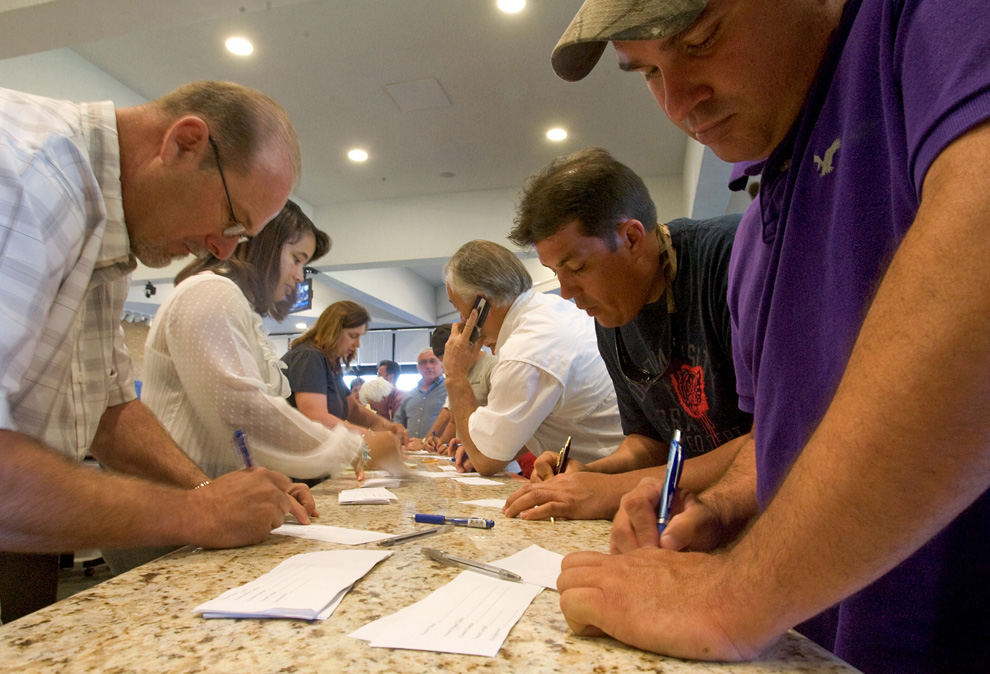
São agora milhares os trabalhadores mobilizados nos três estados afectados para tentarem limpar a maré negra e proteger os bancos de pescas e todos os habitats de vida selvagem. Só o governador do Louisiana foi autorizado a recorrer a pelo menos 6.000 soldados da Guarda Nacional para esta ciclópica tarefa.
A Casa Branca anunciara ontem que não daria luz verde a explorações de petróleo em novas áreas até se finalizar o inquérito ao derrame do Golfo do México, onde a mancha do crude derramado poderá destruir locais de nidificação de algumas espécies.
Este acidente, ocorrido a 20 de Abril, poderá custar no mínimo centenas de milhões de dólares à multinacional BP, nome adoptado em 1954 pela antiga Anglo-Persian Company, fundada em 1904 e que tem a sede em Londres.

Cf. também:
The Gulf Coast BP Oil Spill: A Timeline
Factsheets - download and detailed documents with background and technical information
Images and Videos of the Deepwater Horizon Incident - Site NOAA
SLIDESHOW: Giant Oil Spill Threatens Gulf Coast
Photos: Oil Spill Hits Land, Birds
Pictures: Gulf Oil Spill Hits Land—And Wildlife
The 5 Biggest Oil Spills in History
Who's Still Spilling Oil in the Seas?
Gulf Oil Spill Fight Turns to Chemicals
FP EXPLAINER: What Happens to the Oil After an Oil Spill? - By Joshua Keating
Click Here: day-by-day look at the growing oil spill
Pour suivre l'évolution de la nappe de pétrole dans le golfe du Mexique - le site de la NOAA
e ainda:
Oil From Spill Is Reported to Have Reached the Coast - NYTiumes.com, 4/30
"Inevitable" oil slick will hit U.S. coast - Reuters
"Inevitable" oil slick will hit U.S. coast - Reuters
Anxiety mounts as oil washes ashore - USA Today
Craig Guillot reports - National Geographic News
Updates on the Oil Slick in the Gulf of Mexico - NYTimes.com Lede Blog
Explosion, Leak at Gulf of Mexico Oil Well - NASA's Earth Observatory images of the situation
Deepwater Horizon drilling rig explosion - Wikipedia entry
Deepwater Horizon Incident, Gulf of Mexico - site NOAA
Deepwater Horizon Oil Spill: Fishing Closure in Federal Waters
NOAA information and updates on the Deepwater Horizon Incident, Gulf of Mexico
Dossier Marée Noire : de l'accident à la «catastrophe nationale» - rf1
Dossier de Notícias - Google News


Deepwater Horizon Incident, Gulf of Mexico - site NOAA
Deepwater Horizon Oil Spill: Fishing Closure in Federal Waters
NOAA information and updates on the Deepwater Horizon Incident, Gulf of Mexico
Dossier Marée Noire : de l'accident à la «catastrophe nationale» - rf1
Dossier de Notícias - Google News
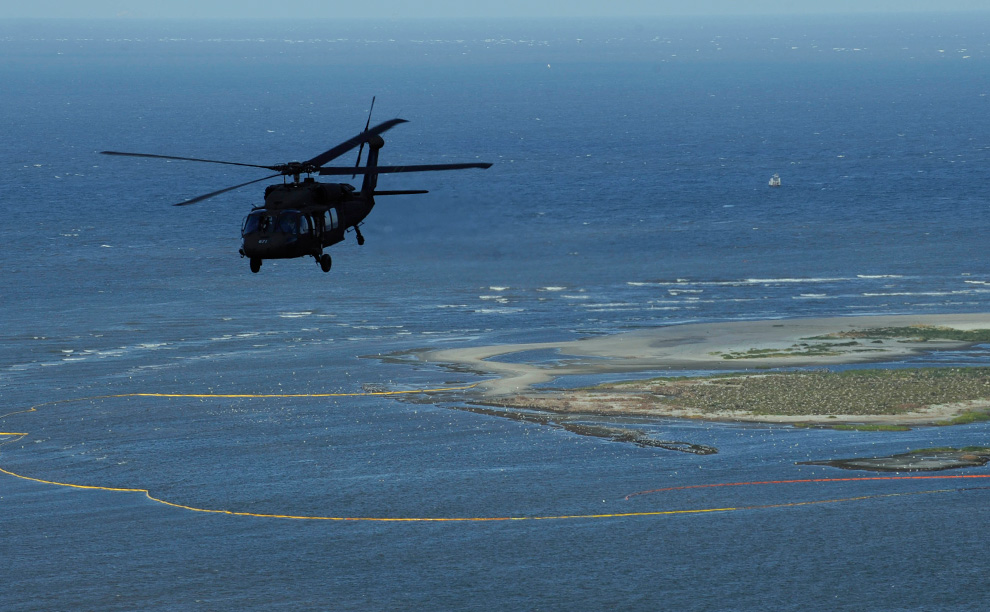
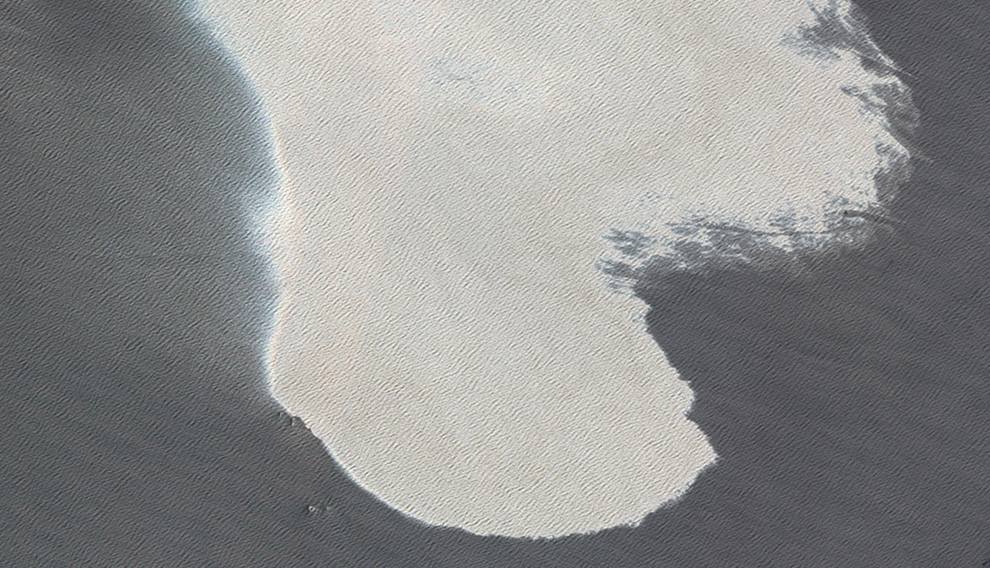
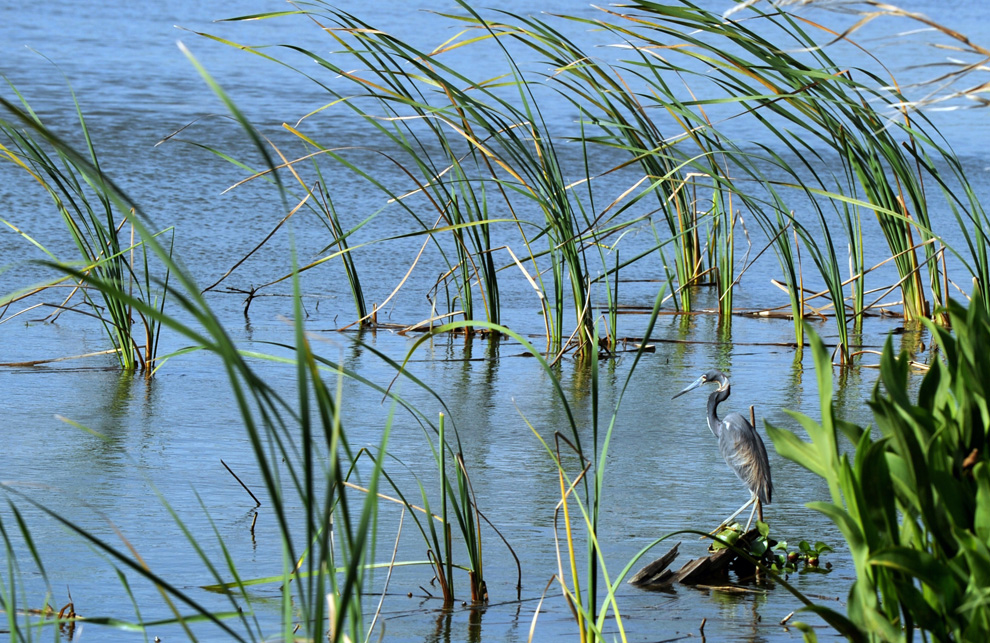
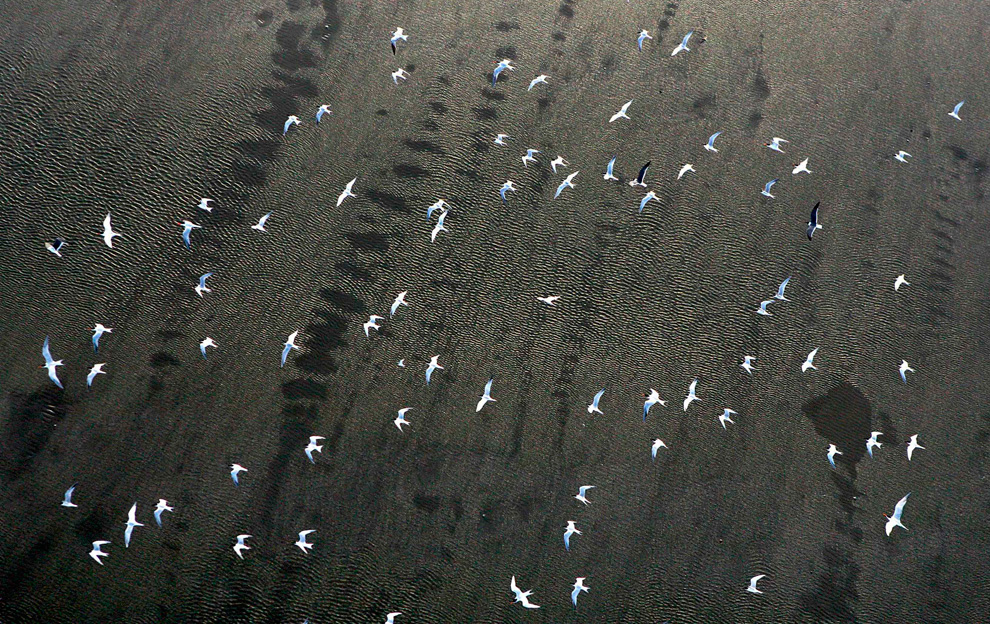
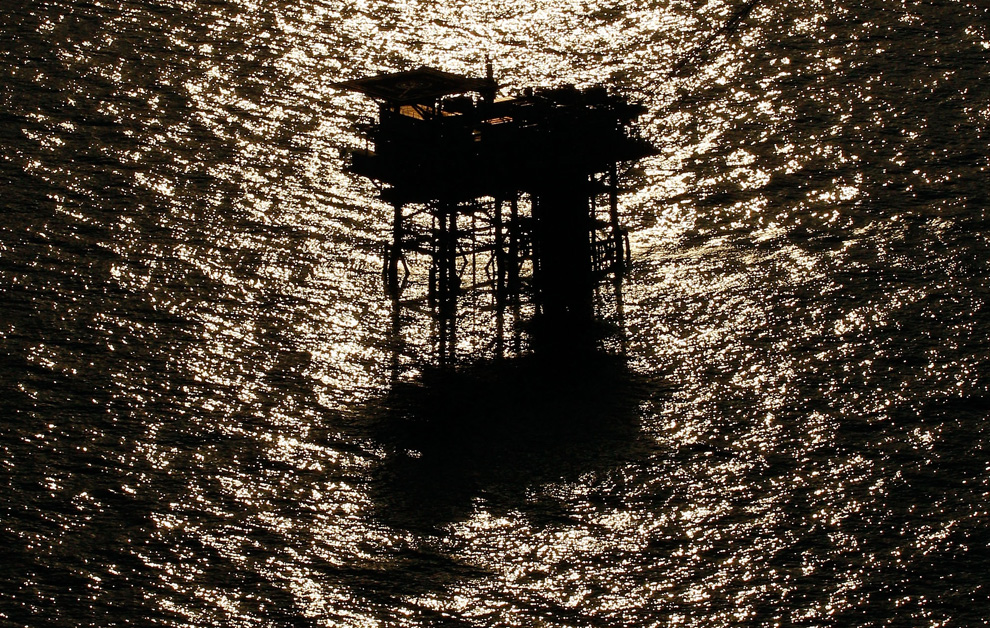
fotos: BigPicture
Latest NewsDeepwater Horizon Incident, Gulf of Mexico
Updated daily
Situation: Sunday 02 May Today NOAA restricted fishing in federal waters of the Gulf of Mexico threatened the BP oil spill - from the mouth of the Mississippi to Pensacola Bay (***click here for map***). The closure, which will be in effect for at least 10 days, is to protect consumers and the seafood industry. Secretary of Commerce Gary Locke said, “We stand with America's fisherman, their families and businesses in impacted coastal communities during this very challenging time. Fishing is vital to our economy and our quality of life and we will work tirelessly protect to it". NOAA is part of the Department of Commerce. Support came from Harlon Pearce, Chairman, Louisiana Seafood Promotion and Marketing Board and Ewell Smith, Executive Director, Louisiana Seafood Board who said, “We Support NOAA’s precautionary closure of the affected area so that the American consumer has confidence that the seafood they eat is safe. It is also very important to underscore the fact that this closure is only the affected area of the Gulf of Mexico, not the entire Gulf. The state waters of Louisiana West of the Mississippi River are still open and the seafood coming from that area is safe.” Further details can be found here: http://sero.nmfs.noaa.gov/.
The state of Louisiana has already closed vulnerable fisheries in state waters – within 3 miles of the coast. NOAA is closing areas directly adjacent to the area closures enacted by Louisiana, and is working with state governors to evaluate the need to declare a fisheries disaster, which would facilitate federal aid to fishermen. NOAA fisheries representatives will be meeting with fishermen this week to assist them, and BP will be hiring fishermen to help clean up and deploy boom in the Gulf of Mexico. Important Contacts
Here you can get some quick information about oil spills and oil well blowouts, spill response, and the effects of oil on wildlife. You can also view some photos of major oil spills.
Background
The incident involves a deepwater drilling platform approximately 50 miles southeast of Venice, Louisiana. An explosion and subsequent fire damaged the rig, which capsized and sank on April 22, after burning for hours. It is unclear how much of the estimated 700,000 gallons (approximately 16,700 barrels) of #2 fuel onboard burned before it sank. The rig is owned by Transocean and under contract to BP.
 |
| |
As the nation’s leading scientific resource for oil spills, NOAA has been on the scene of the Deepwater Horizon spill from the start, providing coordinated scientific weather and biological response services to federal, state and local organizations. More
Situation: Sunday 02 May
 |
| |
President Obama was on-scene today getting a first-hand look at the spill, which is still leaking at a rate of approximately 5000 barrels (210,000 gallons) per day from three damaged sections of piping on the sea floor. Engineers are working to inject dispersants at the oil’s source - 5000’ below the surface. If successful, it could reduce or prevent an oil plume from forming at the surface. Drilling of a relief or cut-off well started today, but it will take several months to stop the flow. Work also continues on a collection dome at the sea floor; this technique has never been tried at 5000’. Very high winds and rough seas curtailed surface operations, such as skimming and applying dispersant by aircraft. Hundreds of thousands of feet of boom have been deployed to contain the spill, with hundreds of thousands more staged and ready to be deployed.
NOAA efforts have included: modeling the trajectory and extent of the oil, getting pre-impact samples surveys and baseline measurements, planning for open water and shoreline remediation, supporting the Unified Command as it analyzes new techniques for handling the spill and starting Natural Resource Damage Assessments (NRDA).
- NOAA’s National Weather Service displayed radar data at central command today so the command could see where thunderstorm activity was moving and receive warnings immediately.
- A forecast decrease in winds should allow the full spectrum of surface operations starting tomorrow.
NOAA’s Emergency Response Division (ERD) creates the oil trajectories that response planners rely on. - The Coast Guard is using forecasts and graphics of oil movement prepared by NOAA’s Emergency Response Division (ERD) and Marine Charting Division to keep mariners out of oil areas by depicting them on electronic charts.
- NOAA’s Assessment and Restoration Division (ARD) completed additional baseline sampling in Gulf Islands National Seashore in conjunction with NOAA Restoration Center, National Park Service and Florida Department of Environmental Protection staff.
- Natural resource economists from ARD also drafted plans to systematically survey recreational users along the Gulf Coast about their use of areas affected by the spill.
- For NOAA media inquiries, please contact Keeley Belva at keeley.belva@noaa.gov or 301.713.3066
- For response inquiries, please phone the Joint Information Center (JIC) at 985.902.5231 or 985.902.5240
- To report oil on land, or for general Community and Volunteer Information, please phone 866.448.5816
- To report oiled or injured wildlife, please phone 866.557.1401
- To discuss spill related damage claims, please phone 800.440.0858
- BP is asking fishermen for their assistance in cleaning up the oil spill. BP is calling this the Vessel of Opportunities Program and through it, BP is looking to contract shrimp boats, oyster boats and other vessels for hire to deploy boom in the Gulf of Mexico. Fishermen should phone 281.366.5511 about this program.
| More Information about this Incident |
|
|
|
|
|
| Current Trajectory Maps |
|
|
| More Information about this Incident | ||
| ||
| ||
| ||
| ||
|
| Current Trajectory Maps |
|
|
Deepwater Horizon: Learn More
Here you can get some quick information about oil spills and oil well blowouts, spill response, and the effects of oil on wildlife. You can also view some photos of major oil spills.
- Basic Information about Oil Spills
- Information about Spill Response
- Other Oil Well Incidents
- Effects of Oil on Wildlife
- Photos of Major Oil Spills
- Fact Sheets
| Photo Galleries |
|
| Basic Information about Oil Spills |
|
|
|
|
|
|
|
|
|
| Information about Spill Response |
|
|
|
|
| Other Oil Well Incidents |
|
|
|
|
|
|
|
|
| Effects on Wildlife |
|
|
|
|
| Fact Sheets |
|
 Posted by por AMC
on 22:30. Filed under
ESPUMAS,
FOTOGRAFIA,
uma janela para o mundo
.
You can follow any responses to this entry through the RSS 2.0.
Feel free to leave a response
Posted by por AMC
on 22:30. Filed under
ESPUMAS,
FOTOGRAFIA,
uma janela para o mundo
.
You can follow any responses to this entry through the RSS 2.0.
Feel free to leave a response


